
What Happens During Knee Arthroscopy Surgery?
Introduction
Knee discomfort is not always sudden; in many cases, it develops gradually and starts interfering with everyday activities. Simple movements like walking, sitting, or even standing for a long time may become uncomfortable. While early symptoms can often be controlled with medication or physiotherapy, certain knee conditions require a more advanced and targeted approach.
Today, modern orthopedic care offers minimally invasive solutions that are both effective and patient-friendly. People considering knee arthroscopy treatment in Ahmedabad now have access to techniques that focus on faster healing, reduced pain, and accurate treatment outcomes.
How Knee Problems Progress Over Time
Knee issues often begin with mild discomfort that may seem manageable at first. However, without proper treatment, these problems can gradually worsen. The cartilage inside the joint may start to wear down, ligaments can weaken, and the joint may lose its stability.
As the condition progresses, patients may notice stiffness, swelling, and difficulty in movement. Over time, even basic activities like climbing stairs or getting up from a chair can become challenging. This gradual decline highlights the importance of early diagnosis and timely treatment.
Concept of Arthroscopy in Modern Orthopedics
Arthroscopy is not just a treatment, it is also a highly effective diagnostic tool. It allows doctors to examine the internal structures of the knee joint without making large incisions.
In this procedure, a small camera is inserted into the joint, which displays real-time images on a screen. This helps in identifying even minor issues that may not be visible through traditional imaging methods. Once the problem is identified, treatment can be performed during the same procedure.
This combination of diagnosis and treatment makes arthroscopy a preferred option in modern orthopedic care.
Situations Where Arthroscopy Becomes the Right Choice
Not all knee problems require surgery, but certain conditions make arthroscopy the most effective solution. Patients experiencing persistent symptoms despite conservative treatment may benefit from this procedure.
Conditions commonly treated include meniscus injuries, ligament tears, cartilage damage, and chronic inflammation inside the joint. These issues can significantly affect joint function if left untreated.
In such cases, opting for knee arthroscopy treatment in Ahmedabad can help restore mobility and prevent further joint damage.
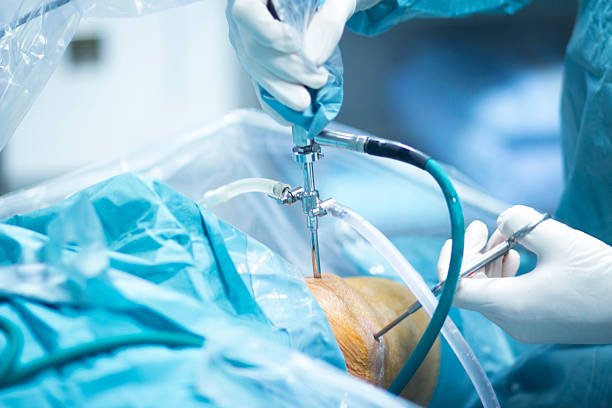
Inside the Operating Room: What Actually Happens
The thought of surgery can be stressful, but understanding the process can make it less intimidating. Knee arthroscopy is a structured and controlled procedure performed with precision.
First, anesthesia is administered to ensure that the patient remains comfortable throughout the surgery. Small incisions are then made around the knee joint.
The arthroscope is inserted through one incision, allowing the surgeon to examine the joint in detail. The high-definition images provide a clear view of the internal structures, including ligaments, cartilage, and meniscus.
Once the issue is identified, specialized instruments are used to perform the necessary treatment. This may include repairing damaged tissues, removing loose fragments, or reconstructing ligaments.
After the procedure, the instruments are removed, and the incisions are closed. Since the surgery is minimally invasive, it results in less tissue damage and faster healing.
Benefits of Arthroscopic Surgery
One of the biggest advantages of arthroscopy is that it reduces the physical stress on the body. Smaller incisions mean less pain, minimal scarring, and quicker recovery compared to traditional surgery.
Patients usually experience shorter hospital stays and can return to their daily activities much sooner. The precision of the procedure also ensures better treatment outcomes.
Because of these benefits, many patients prefer knee arthroscopy treatment in Ahmedabad to regain mobility quickly and safely.
Recovery and Rehabilitation
Recovery after knee arthroscopy is generally smooth, but proper care is essential. In the first few days, mild swelling and discomfort may occur, which can be managed with medication and rest.
Physiotherapy plays a key role in strengthening the knee and restoring flexibility. A structured rehabilitation program ensures that the joint regains its normal function.
With consistent care and medical guidance, most patients are able to return to their normal routine within a few weeks.
When Should You Seek Medical Help?
Many people ignore knee pain until it becomes severe. However, persistent discomfort, instability, or difficulty in movement should not be overlooked.
If symptoms continue for a long time or start affecting daily activities, it is important to consult a specialist. Early diagnosis helps prevent further damage and ensures better treatment outcomes.
Expert Orthopedic Care
Dr. Krunal Soni provides advanced orthopedic care with a focus on accurate diagnosis and effective treatment. His patient-centered approach and use of modern techniques help ensure safe procedures and faster recovery.
Frequently Asked Questions
- Is knee arthroscopy painful?
– No, it is performed under anesthesia, so patients do not feel pain during surgery. - How long does the surgery take?
– Usually 30 minutes to 1 hour. - When can I walk after surgery?
– Most patients can walk with support within a few days. - Is it safe?
– Yes, it is a minimally invasive and safe procedure. - Is physiotherapy necessary?
– Yes, it is important for proper recovery.